Are There Blue Elephants
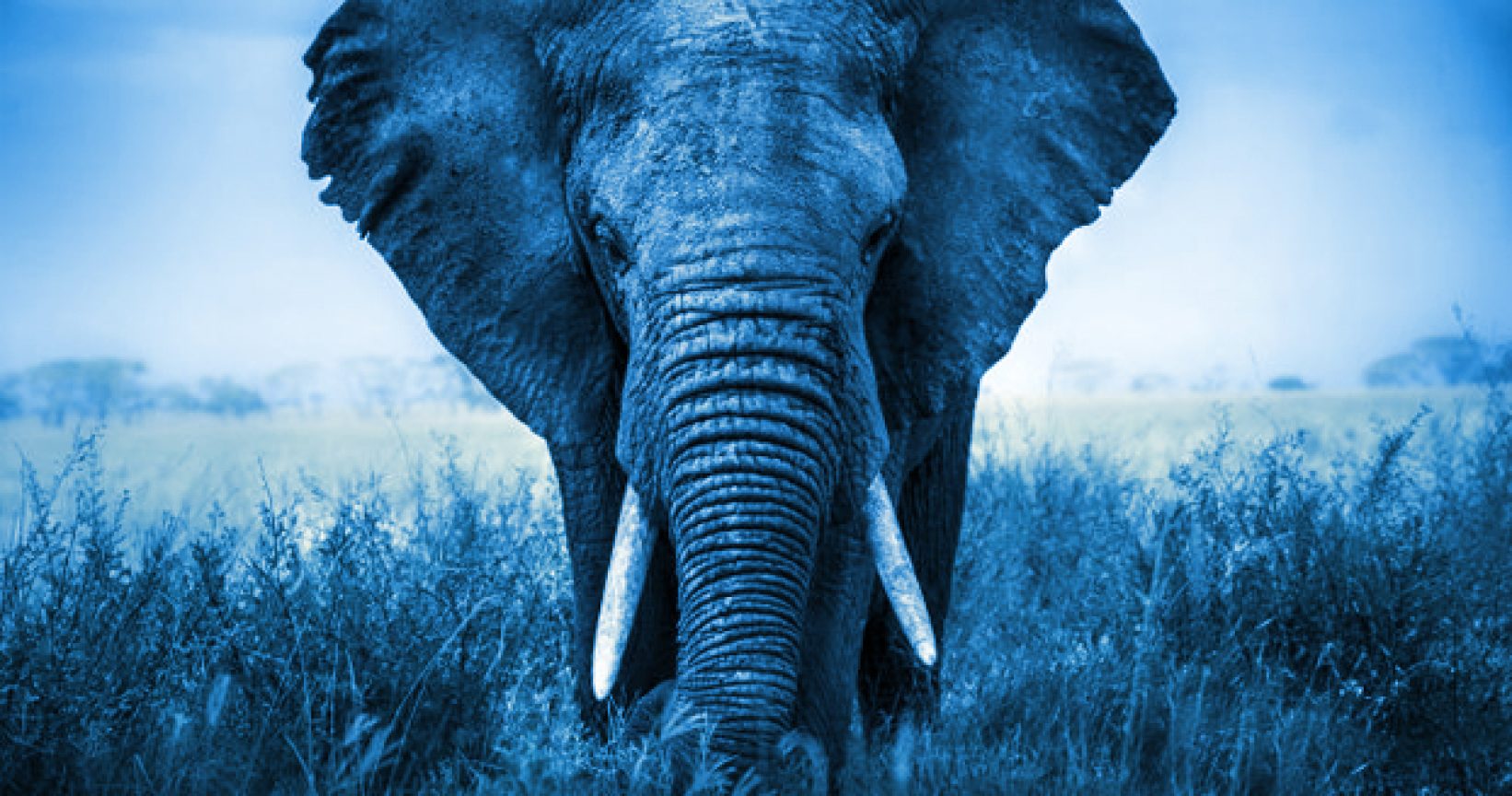
There are no blue elephants in existence. Elephants are typically gray or brown in color.
Blue Elephants: Fact Or Fiction?
Blue elephants have been the subject of myth and legend, but there is little scientific evidence to support their existence. While there are rare sightings of elephants with unusual pigmentation, such as white or red, the idea of blue elephants is more likely a result of cultural interpretations and storytelling. Various cultures may have different perspectives on the significance of blue elephants, but there is no conclusive proof that they exist in reality.
Credit: cites.org
The Colors Of Elephants
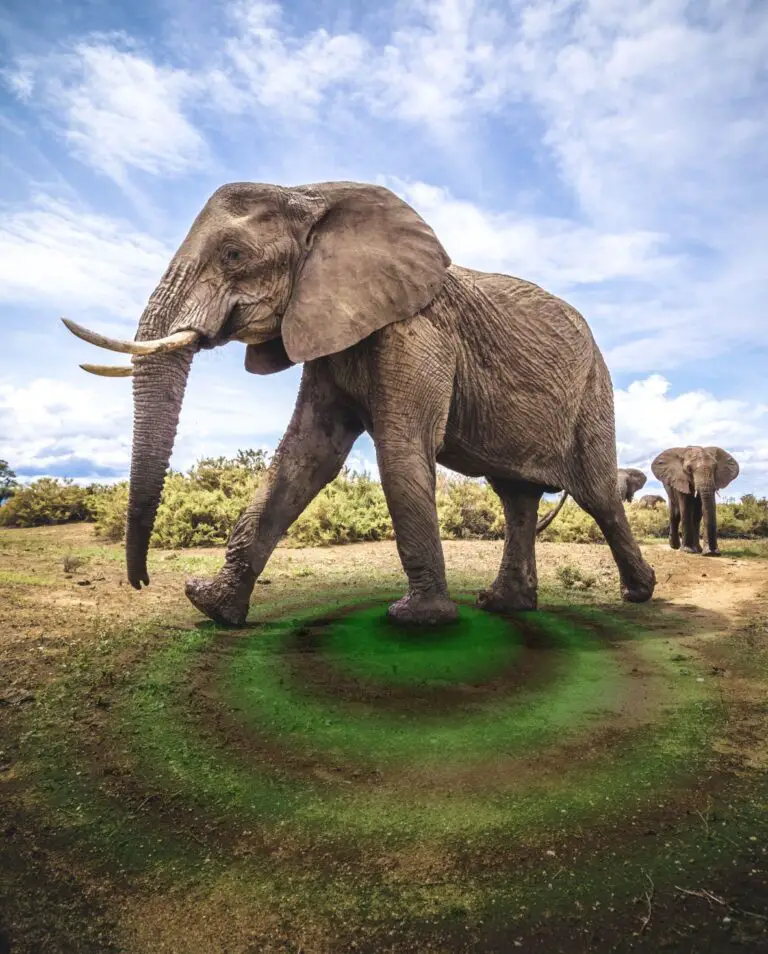
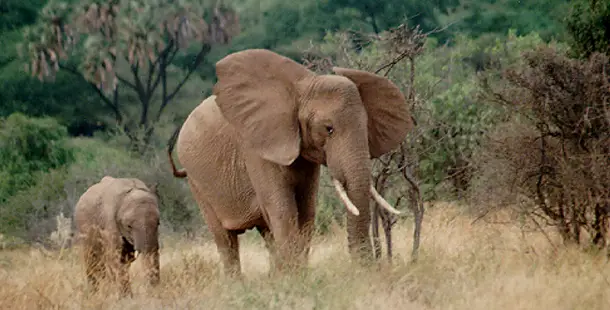
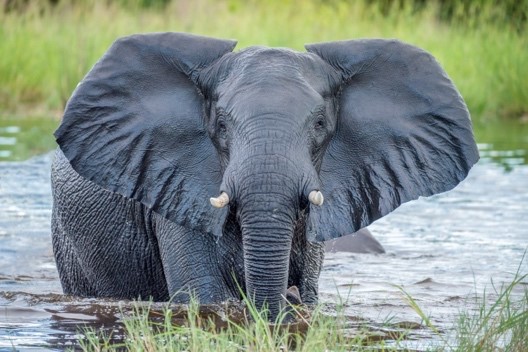
Elephants are commonly known for their grayish to brown color, with sparse and coarse body hair. However, there have been instances where elephants display unusual coloration. This can occur due to variations in pigmentation, which can result from genetic factors. Additionally, environmental influences such as diet and habitat conditions can also affect their colors.
While blue elephants are not a common occurrence, there have been instances where elephants exhibit blue coloration. These unique cases are often the result of genetic mutations or rare pigmentation variations. However, it is essential to understand that these instances are rare and not the typical color of elephants.
In conclusion, while elephants are primarily grayish to brown in color, there are occasional instances where they may display unusual colors, including blue. These occurrences are rare and can be attributed to variations in pigmentation and genetic factors.
Blue Elephants In Popular Culture
Blue elephants have made their mark in popular culture through various mediums such as art, literature, and campaigns. The symbolic significance of the blue elephant has intrigued many.
One notable campaign is the Blue Elephant Campaign, which aims to address the stigma associated with mental illness. Displaying a blue elephant signifies support for mental wellness and opens up conversations about mental health without judgment.
Blue elephants have also been depicted in art and literature, adding a unique element to these artistic expressions. Artists and authors have explored the beauty and mystique of blue elephants, giving them a special place in creative works.
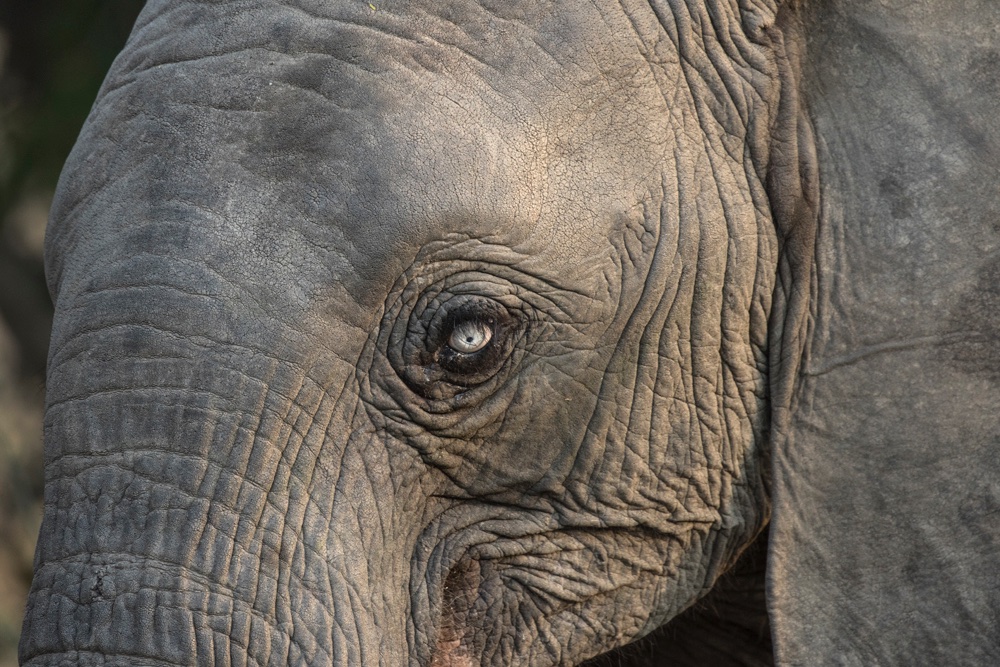
Contrary to popular belief, there are no actual blue elephants in nature. Blue-eyed elephants, however, do exist. These elephants possess stunning blue eyes that set them apart from their counterparts.
It is important to note that controversies and misconceptions surround the concept of blue elephants. While they may not be a natural phenomenon, their symbolic and artistic representations continue to captivate our imagination.
Credit: www.jimzuckerman.com
Uncovering The Truth
Uncovering the Truth: There have been scientific studies and research conducted to determine the existence of blue elephants. Some claim to have verified sightings, while others dismiss it as urban legends and hoaxes. Additionally, expert opinions vary on the matter. However, it’s essential to consider the conservation efforts for elephants, regardless of color, to ensure their well-being.
Embracing The Beauty Of Diversity
- Preserving Natural Habitats: Elephant conservation efforts focus on preserving their natural habitats such as savannas, grasslands, forests, deserts, swamps, and highlands.
- Promoting Education and Awareness: By educating the public about elephants and their importance in ecosystems, we can raise awareness and encourage conservation efforts.
- Celebrating Unique Elephant Traits: Elephants come in various colors, including gray, red, and blue.
- Supporting Wildlife Organizations: Supporting wildlife organizations that work towards conserving elephants and their habitats is crucial for their survival.

Credit: www.quora.com
Frequently Asked Questions For Are There Blue Elephants
What Is The Rarest Color Of Elephant?
The rarest color of elephants is not blue. Elephants are generally grayish to brown in color.
What Colors Can Elephants Be?
Elephants are typically grayish to brown in color, with sparse and coarse body hair. They can also be found in various habitats like savannas, grasslands, forests, deserts, swamps, and highlands.
What Does A Blue Elephant Mean?
A blue elephant is a symbol used in the national anti-stigma campaign called “The Blue Elephant in the Room. ” It represents a safe space to discuss mental illness without fear of judgment. Displaying a blue elephant shows support for mental health and the well-being of others.
Are There Blue Eyed Elephants?
Blue-eyed elephants are rare but do exist. Sophie, a unique elephant, stands out with her blue eyes, whereas most elephants have brown eyes.
Conclusion
After exploring the existence of blue elephants, it’s clear that these majestic creatures are not naturally blue. Yet, the presence of blue elephants in art and stories highlights their symbolic and metaphorical significance. Whether depicted in blue or other colors, elephants continue to captivate our imagination and stir emotions.