Are Elephants Ashy
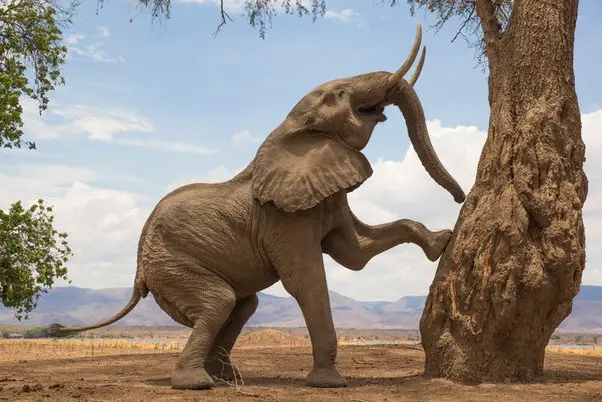
Elephants have a gray/silver color on their bodies due to the presence of melanin, a pigment responsible for skin and hair coloration. In certain dry climates or during the winter, elephants may appear ashy, but applying mineral oil after bathing can help reduce this coloration.
Asian elephant skin is primarily gray, but depigmentation may occur on and around the ears, forehead, and trunk as the elephant ages. Elephants are not actually black, but their natural color can vary based on genetics, nutrition, and habitat. While they may appear darker after rolling in mud or sand, this behavior helps keep them cool rather than affecting their overall color.
Why Elephants Appear Ashy
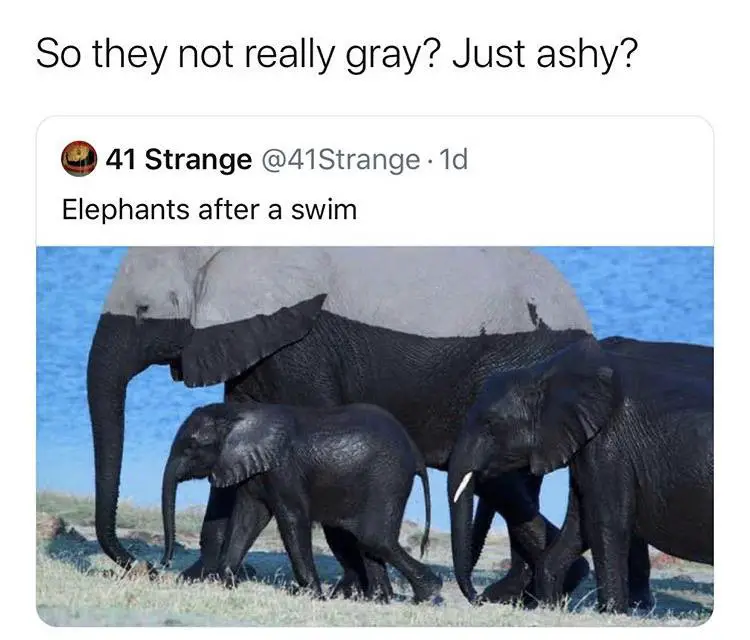
Elephants appear grey/silver due to the presence of a skin pigment called melanin, responsible for coloration and variation. In dry climates, elephants can display depigmentation in certain areas, affected by genetics, nutrition, and habitat. Additionally, the application of mineral oil softens their skin, mitigating the “ashy” appearance, but doesn’t eliminate wrinkles. Furthermore, elephants’ bodies may bear sparse, coarse hair, and exhibit color variation, with asian elephants having grayish to brown coloration, while retaining de-pigmented areas. Consequently, it’s essential to acknowledge that elephants are not inherently “ashy” in color, but rather showcase a diverse range of natural pigmentation.
Credit: twitter.com
The True Color Of Elephants
Elephants have a naturally gray or silver color on their bodies due to the presence of melanin, a pigment responsible for skin and hair coloration. This color can vary in concentration and distribution depending on the species.
Grayish To Brown PigmentationElephants have a grayish to brown color on their bodies due to the presence of a pigment called melanin. This pigment is responsible for the coloration of an animal’s skin and hair. It can vary in concentration and distribution depending on the species. Sparse And Coarse Body HairElephants have sparse and coarse body hair, which further contributes to their overall grayish appearance. The hair is not evenly distributed, and certain areas, such as the ears, forehead, and trunk, may lack color. Variation In Coloration With AgeAs elephants age, their skin may develop depigmentation, resulting in patches of lighter coloration. This variation in coloration is influenced by genetics, nutrition, and habitat. Young elephants often have brownish to reddish hair covering their bodies. |
Myths And Misconceptions
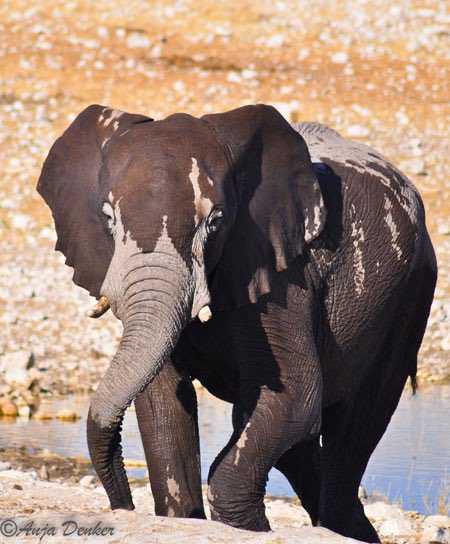
There is a popular misconception that elephants are ash-colored or black. However, the true color of an elephant’s skin is gray. This gray color is caused by a pigment called melanin, which is responsible for the coloration of an animal’s skin and hair. The concentration and distribution of melanin can vary among species, resulting in different shades of gray. Additionally, factors such as genetics, nutrition, and habitat can also contribute to variations in the coloration of elephant skin. In certain climates or during the winter, zoo and circus elephants may appear ashy due to the dryness of their skin. They are often rubbed down with mineral oil to help moisturize and soften their skin. Despite their gray color, elephants are not actually ashy or dirty, but rather magnificent creatures with remarkable adaptations.

Credit: www.reddit.com
The Effects Of Bathing And Lotion
Elephants have a grey/silver color on their bodies because of the presence of a pigment called melanin. This de-pigmentation is believed to be controlled by genetics, nutrition, and habitat, and generally develops as an elephant ages. In dry/arid climates, or during the winter, zoo and circus elephants are rubbed down with mineral oil after being bathed. It does help get rid of some of the “ashy” coloration and it softens their skin. The Asian elephant’s skin is gray, but parts sometimes lack color, especially on and around the ears, forehead, and trunk.
Uncommon Coloration In Elephants
Elephants have a grey/silver color on their bodies due to the presence of a pigment called melanin, which is responsible for the coloration of an animal’s skin and hair. The concentration and distribution of melanin can vary depending on the species. In dry or arid climates, or during the winter, zoo and circus elephants are often rubbed down with mineral oil after being bathed to help get rid of some of the “ashy” coloration and soften their skin, although it doesn’t smooth out the wrinkles. Asian elephant skin is primarily gray, but some parts, particularly on and around the ears, forehead, and trunk, may lack color or have depigmentation. This depigmentation is believed to be influenced by genetics, nutrition, and habitat and usually develops as the elephant ages. Young elephants may have brownish to reddish hair covering their bodies.
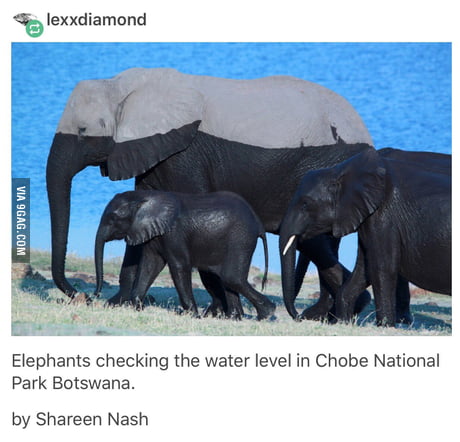
Credit: 9gag.com
Frequently Asked Questions For Are Elephants Ashy
Are Elephants Gray Or Just Ashy?
Elephants have a gray/silver color due to the pigment called melanin in their skin and hair. Melanin concentration can vary. In dry/arid climates, they may appear ashy, but zoo and circus elephants are rubbed with mineral oil to reduce the ashy color.
Can Elephants Be Ashy?
Elephants have grey/silver color on their bodies due to the presence of a pigment called melanin. In dry/arid climates or during winter, zoo and circus elephants are rubbed down with mineral oil to reduce the “ashy” coloration and soften their skin.
However, it doesn’t eliminate wrinkles. Elephants may appear darker after rolling in mud or sand to keep cool.
What Is The True Skin Color Of An Elephant?
The true skin color of an elephant is gray, but some parts may lack color, especially on the ears, forehead, and trunk. This variation is influenced by genetics, nutrition, and habitat. Young elephants may have brownish to reddish hair on their bodies.
What Is The Actual Color Of An Elephant?
The actual color of an elephant is grey/silver due to the presence of melanin pigment in their skin. This coloration can vary in concentration and distribution. Elephants’ unique skin and hair structure are responsible for their grey color.
Conclusion
The color of elephants’ skin is largely determined by the presence of the pigment melanin. While their skin appears grey, it can also lack color in certain areas, particularly as the elephant ages. In drier environments, elephants might appear ashy, but this can be mitigated with proper care and maintenance.