Do Crocodiles Shed

Do Crocodiles Shed

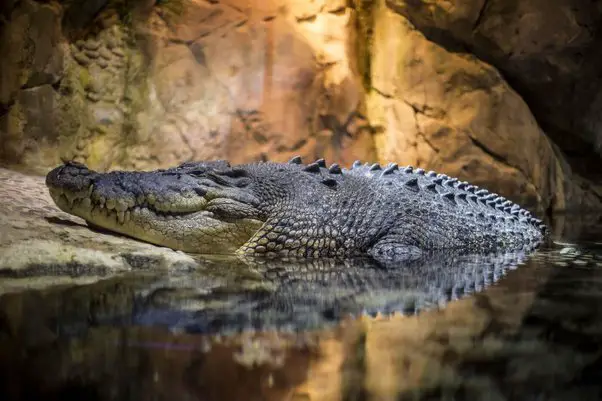
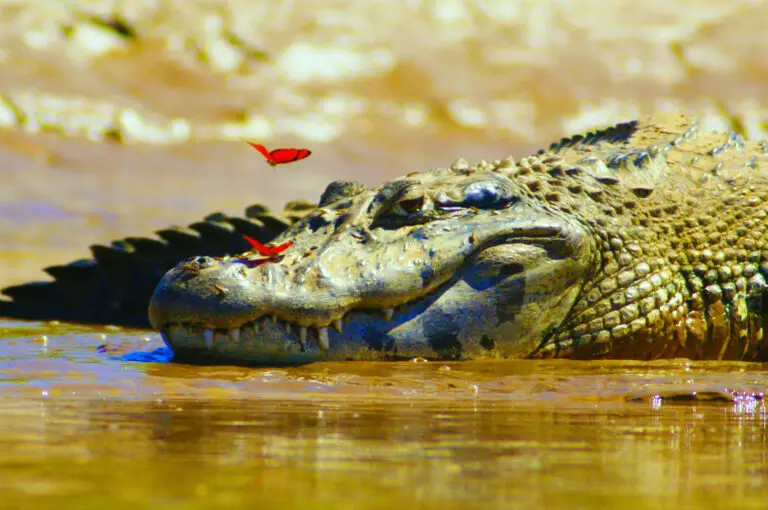
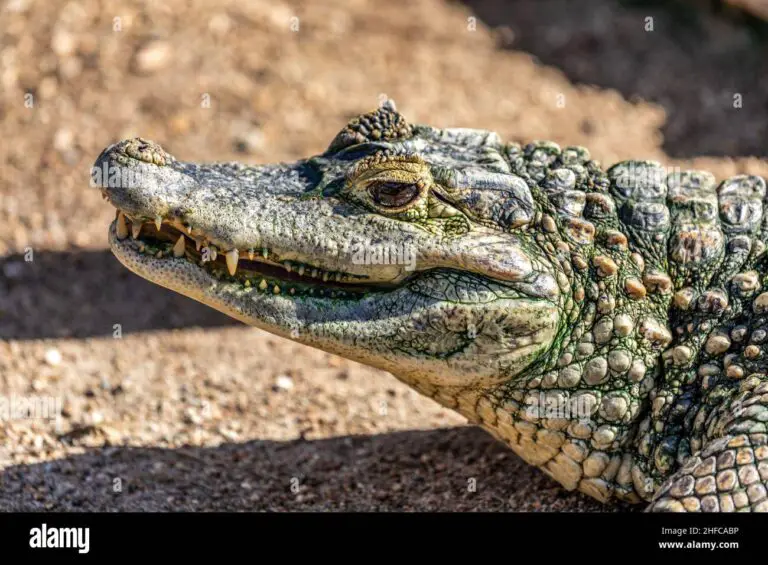
Crocodiles do shed their skin periodically, just like other scaled reptiles. Unlike snakes that shed their skin all at once, crocodiles shed their scales individually.

The scales on their skin, which are made of the protein keratin and may be studded with bony plates called scutes, are shed to allow for growth and to replace old or damaged skin. Crocodiles’ shedding process is similar to lizards but slightly different from that of snakes.

This shedding helps them maintain healthy and efficient skin that protects them from their environment.

Do Crocodiles Shed

Credit: www.ndtv.com

Do Crocodiles Shed

Credit: en.wikipedia.org

Frequently Asked Questions Of Do Crocodiles Shed

Do Crocodiles And Alligators Shed Their Skin?

Yes, crocodiles and alligators shed their skin as part of a natural process. This helps them grow and replace old or damaged skin.

Why Don’t Crocodiles Shed?

Crocodiles don’t shed their skin all at once like snakes do. Their skin is covered in non-overlapping scales made of keratin, with bony plates called scutes. These scales are shed individually, allowing the crocodile to replace old or damaged skin.

Do Crocodiles Shed Their Tails?

Yes, crocodiles do shed their skin periodically, similar to other reptiles like snakes and lizards. Crocodiles have tough, scaly skin covered in bony plates called scutes, which are shed individually rather than all at once like snakes. They do not shed their tails.

Do Crocodiles Have Hair Or Fur?

Crocodiles do not have hair or fur. As reptiles, they have tough and scaly skin that helps protect them from the environment. With bony plates called scutes, their skin is similar to the scales found on snakes and other reptiles.

Crocodiles shed their skin in a process similar to lizards.

Conclusion

Crocodiles do shed their skin, unlike mammals, as part of their growth and maintenance. The shedding process helps them get rid of old or damaged skin and allows them to adjust to their changing environment. Understanding this natural process is essential in the conservation and care of these incredible reptiles.

Also Worth Reading:

Rate this post

Similar Posts

  • Do Crocodiles Have Predators

    Crocodiles have several predators, including tigers, jaguars, lions, anacondas, and hippos. These predators pose a threat to crocodiles, although adult crocodiles have no natural predators aside from humans. While crocodiles are known as apex predators, their young hatchlings are particularly vulnerable and are preyed upon by raccoons, birds, crabs, and other wildlife. Despite being formidable…

  • Does Crocodile Have Haki

    No, Crocodile does not possess the ability to use Haki. Crocodile, the former warlord and main antagonist of the Alabasta saga, spent most of his life honing his skills with his Devil Fruit power, rather than developing his Haki abilities. Despite his formidable powers and cunning strategies, Crocodile did not have access to Haki, which…

  • Do Crocodiles Have Scales

    Yes, crocodiles have scales. Their scaly skin serves a protective purpose and helps them communicate and sense movement in water. Crocodiles shed their scales one at a time, unlike snakes and lizards who shed in patches or all at once. The crocodile’s dermal exoskeleton consists of bony scutes called osteoderms that underlie the epidermal scales…

  • Can Crocodiles Feel Pain

    Yes, crocodiles do feel pain due to their well-developed pain receptors called nociceptors. Despite their tough skin, crocodiles have a sense of touch concentrated in small, colored domes across their body, making them sensitive to pain. These nociceptors allow them to detect potentially harmful stimuli, indicating their ability to perceive pain. Credit: www.quora.com Can Crocodiles…

  • Are There Crocodiles in Minnesota

    No, there are no crocodiles in Minnesota. Credit: www.brainerddispatch.com Native Species In Minnesota Native Species in Minnesota Native species in Minnesota do not include crocodiles, as these reptiles are not native to the region. Alligators are also absent in the natural habitat of Minnesota and are not commonly found in the state’s rivers and lakes….