Does Crocodiles Have Ears
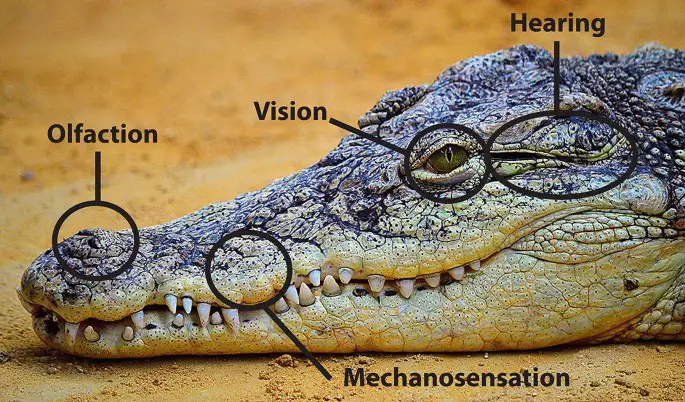
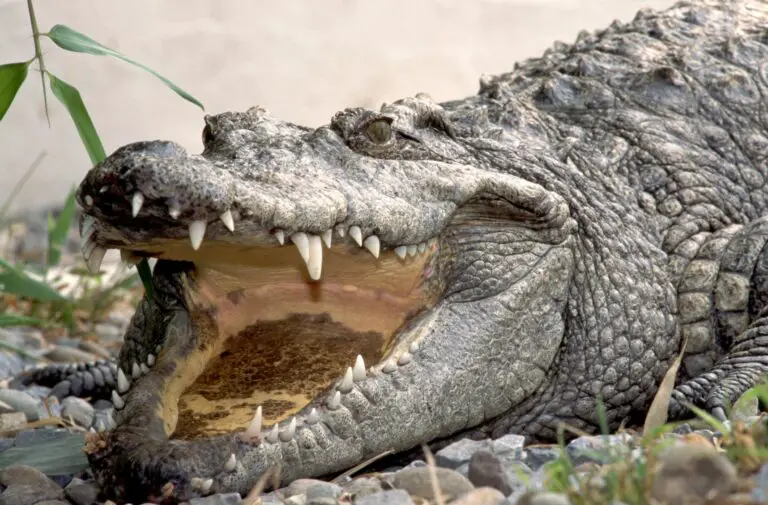
Crocodiles do have ears, although they may not be visible to the naked eye. Their ears are actually slits on the sides of their head that can close tightly when they go underwater.
This allows them to protect their inner ear while submerged. These slits are situated near the tops of their heads, enabling them to effectively hear even when mostly submerged. Crocodiles possess strong hearing abilities and are capable of picking up sound vibrations both in water and on land.
Their sophisticated inner ears play a crucial role in their overall sensory perception.
Credit: www.uu.se
Do Crocodiles Have Ears?
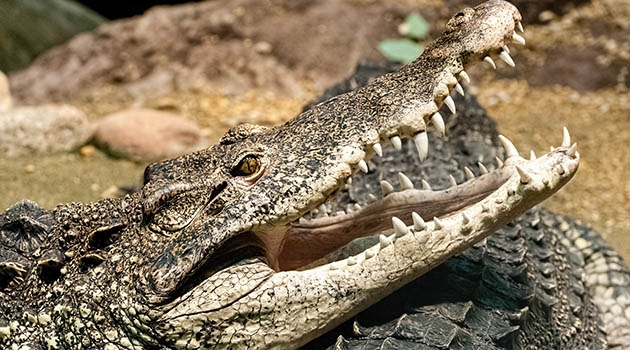
Crocodiles may appear not to have ears, but their ears are actually slits on their head which are able to close tightly when they go underwater, protecting the inner ear. These ears are situated near the tops of their heads so that they can effectively hear while mostly submerged.
Not only do the cold-blooded creatures have ears, they have pretty strong hearing abilities, as well. They’re capable of picking up on sound vibrations in water and on land, making them highly attuned to their surroundings.
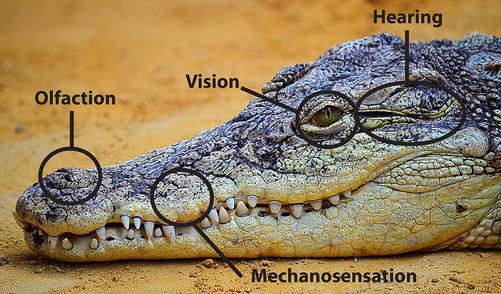
The location of crocodile ears, near the eyes, allows them to catch sound cues, making them adept hunters. Despite the misconception that crocodiles lack this sensory organ, they actually possess an intricate auditory system that is finely-tuned for their survival.
Credit: link.springer.com
Appearance Of Crocodile Ears
Do crocodiles have ears? Yes, they do! Although it may not be obvious at first glance, crocodiles have slits on their heads that serve as their ears. These slits are located near the tops of their heads and are able to close tightly when submerged underwater, protecting the inner ear. This adaptation allows them to effectively hear even while mostly submerged.
Location Of Crocodile Ears
Contrary to popular belief, crocodiles do have ears. However, their ears are not as visible as those of other animals. The ears of a crocodile are actually slits located near the tops of their heads. This positioning allows them to effectively hear even while mostly submerged in water. The slits are designed to tightly close when the crocodile goes underwater, protecting the inner ear.
It is important to note that crocodiles’ ears are situated in a way that enables them to hear both on land and underwater. This adaptation is crucial for their survival, as it allows them to detect prey, predators, and other sounds in their environment. Additionally, the crocodile’s sophisticated inner ear aids in their exceptional hearing abilities.
Hearing Abilities Of Crocodiles
While crocodiles may appear not to have ears if studied closely, their ears are actually slits on their head which can close tightly protecting the inner ear when submerged underwater. These ears are positioned near the tops of their heads enabling them to effectively hear while mostly submerged. Crocodiles do indeed possess ears, and they exhibit pretty strong hearing abilities, capable of picking up on various sound frequencies. Their excellent hearing is adapted for being on land and underwater, with one distinctive characteristic being the sharp receptors’ sensitivity.
Comparison To Other Animals
Contrary to popular belief, crocodiles do have ears, although they may not be visible to the naked eye. The ears of a crocodile are actually slits on their head that can close tightly when they submerge underwater, protecting the inner ear. These ears are strategically situated near the tops of their heads to allow them to effectively hear while mostly submerged. While both crocodiles and alligators have ears, crocodiles have a more sophisticated inner ear structure. This adaptation enables them to pick up on sounds in their environment, whether on land or underwater. Although dinosaurs and crocodiles share a common ancestor, it is highly unlikely that dinosaurs had ears similar to modern-day crocodiles. Dinosaurs were a diverse group with many different adaptations, and their hearing abilities would have varied greatly.
Common Misconceptions
Crocodiles may appear not to have ears, but their ears are actually slits on their head which are able to close tightly when they go underwater, protecting the inner ear. These ears are situated near the tops of their heads so that they can effectively hear while mostly submerged. Not only do crocodiles have ears, but they also have pretty strong hearing abilities. They’re capable of picking up sounds both on land and underwater.

Credit: animals.mom.com
Frequently Asked Questions Of Does Crocodiles Have Ears
Does A Crocodile Have Ears Yes Or No?
Yes, crocodiles have ears. They have slits on their heads that close underwater to protect their inner ear, allowing them to hear effectively while submerged.
How Do Crocodiles Hear?
Crocodiles have ears in the form of slits on their head that can close tightly underwater. These ears are located near the tops of their heads, allowing them to hear effectively while submerged. They have strong hearing abilities.
Do Alligators Have Ear?
Yes, alligators have ears. Although they may not be visible, the ears are slits on the head that can close tightly underwater to protect the inner ear. These ears are located near the tops of their heads, allowing them to hear effectively while submerged.
Where Are Crocodile Ears Located?
Crocodile ears are slits on their head, able to close tightly underwater, located near the tops of their heads to effectively hear while submerged.
Conclusion
Believe it or not, crocodiles do have ears, although they may not be visible to the naked eye. Their ears are actually slits located on the head, allowing them to hear well both on land and underwater. This remarkable adaptation showcases the incredible abilities of these ancient reptiles, enhancing their survival and hunting skills in their natural habitat.