Why Do Lions Roar
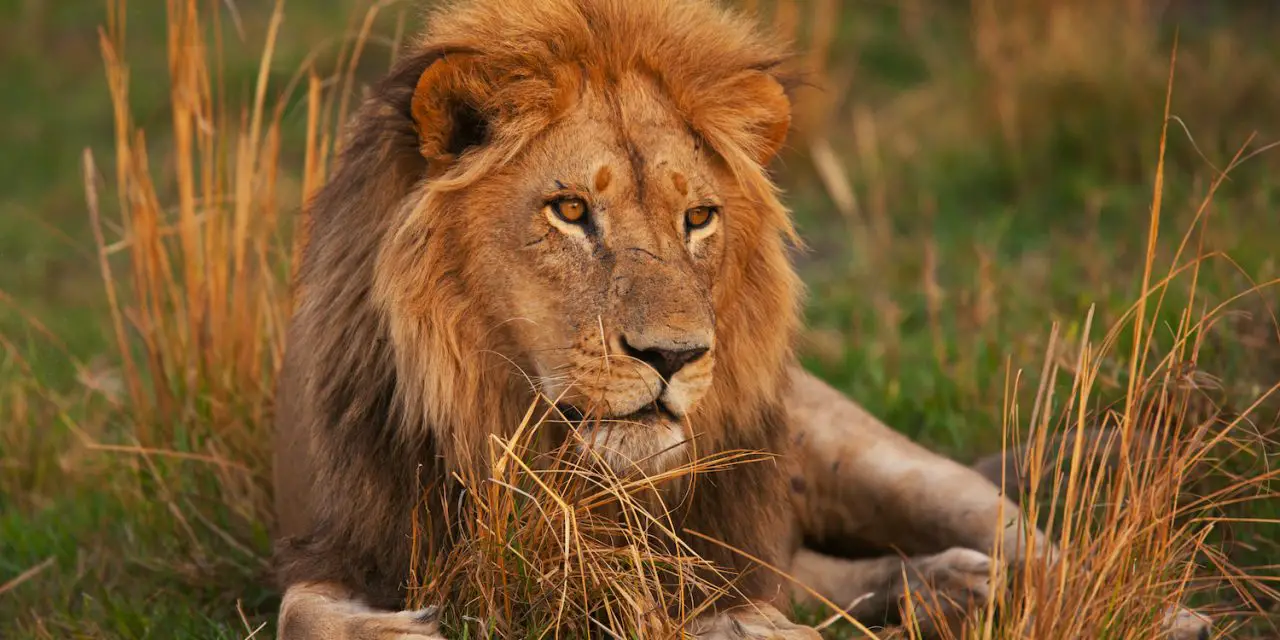
Lions roar primarily to establish territory, locate members of their pride, and communicate with one another over long distances. Roaring is a form of communication that allows lions to demonstrate their power and dominance, warning competing prides and other animals about their size and presence.
Through their vocal folds or vocal cords in their larynx (voice box), lions produce loud roars that are unique to their species. Roaring is not the only way that lions communicate; they also use urine markings and tree scratching to establish their presence.
While roaring is not typically used during hunts, lions rely on stealth and teamwork to catch their prey.

Credit: www.africansafaris.co.nz
Reasons For Lion Roaring
Lions produce loud roars primarily due to the unique characteristics of their vocal folds or vocal cords in their larynx (voice box). Roaring is a form of communication that lions use to establish territory, locate members of their pride, and communicate with one another over long distances. It is a demonstration of power and is used to warn competing lion prides and other animals of the lion’s size and dominance.
Male and female lions can roar, but large, dominant males are usually louder and more aggressive. Roaring isn’t the only way that lions communicate; they also use other methods such as marking territories with urine or clawing trees to leave scent marks.
Territorial Behavior
Lions roar to establish their territory and warn other lions to stay away. This helps to maintain boundaries and prevent conflicts between prides.
Communication Within The Pride
Roaring allows lions to communicate with other members of their pride over long distances. It helps to coordinate hunting activities and locate each other within their vast territories.
Establishing Dominance
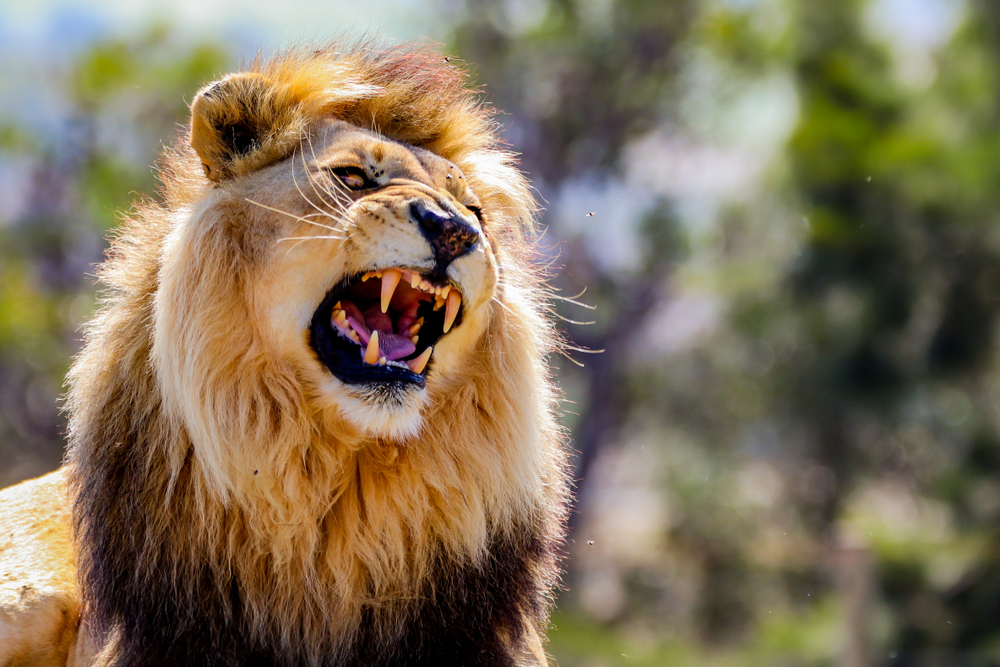
The loud roar of a lion is a display of power and dominance. It serves as a warning to rival males and potential competitors, asserting the lion’s authority and deterring them from encroaching on its territory.
Credit: www.lionstigersandbears.org
Characteristics Of Lion Roars
Lions roar to communicate and establish territory. Their unique vocal folds or vocal cords in their larynx allow them to produce loud roars that can be heard over long distances. Roaring is a form of power demonstration used to warn competing pride members and other animals.
Lions’ Roar And Hunting
Have you ever wondered why lions roar? Lions are known for their distinctive roar, which can be heard from miles away. The roar of a lion serves several purposes, particularly when it comes to hunting. During a hunt, lions remain silent to avoid alerting their prey. They rely on stealth and teamwork to catch their prey, rather than using their roars to scare them. When the hunt is successful and the lions have their prey, they may roar to establish dominance and warn competing prides of their size and power. Roaring is also a form of communication among lions, helping them establish territory and locate members of their pride over long distances. In addition to roaring, lions also communicate through other means, such as scent marking and clawing trees. Lions truly are fascinating creatures, with their powerful roars playing a vital role in their social behavior and survival in the wild.
Other Modes Of Lion Communication
Lions roar as a warning to other lions, establishing territory and communicating with each other. They also communicate through urine marking and clawing trees.
Table:| Other Modes of Lion Communication |
|---|
| Urine-Marking |
| Clawing Trees |
The Significance Of Lion Roars
Lions roar for various reasons, with mating calls being one of the most significant. Males use their powerful roars to attract females and assert their dominance. These roars can be heard from miles away, signaling their presence and territory. The unifying power of lion roars helps bring the pride together, enhancing communication and coordination during hunting and territorial defense. Roaring plays a crucial role in the wild, enabling lions to locate distant pride members and establish ownership of territories. Apart from roars, lions also communicate through urine marking and tree clawing. These additional methods further enhance their communication network within the pride. Overall, the unique characteristics of lion roars serve as a means of communication, expression of power, and unification in the wild.
Credit: www.youtube.com
Frequently Asked Questions On Why Do Lions Roar
What Does The Roar Of A Lion Mean?
The roar of a lion is a form of communication used for various reasons. It can establish territory, locate members of their pride, and communicate with each other over long distances. Lions rely on stealth and teamwork when hunting, rather than using their roars to scare prey.
What Allows Lions To Roar?
Lions roar because of their unique vocal folds in their voice box called vocal cords. These vocal folds are triangular in shape and protrude into their throat, allowing them to produce loud roars. Roaring is a form of communication for establishing territory, locating pride members, and communicating over long distances.
Do Lions Roar To Scare Their Prey?
Lions do not roar to scare their prey. Roaring is a form of communication used by lions to establish territory, locate pride members, and communicate over long distances. Lions rely on stealth and teamwork when hunting, rather than using their roars to scare their prey.
Why Did Lion Roar Loudly?
Lions roar loudly to show power and dominance, warn competing prides and other animals, and establish territory. Male lions are usually louder and more aggressive in their roaring.
Conclusion
Lions roar for various reasons including communication, establishing territory, and demonstrating power. It is a unique characteristic of these magnificent creatures, allowing them to warn competing prides and other animals of their dominance. Roaring is not limited to hunting and is not used to scare prey.
Lions also communicate through urine markings and clawing trees. Through their distinct vocal folds, lions produce loud roars that can be heard over long distances. It is through these powerful roars that lions assert their presence and maintain their social hierarchy.