How Does Crocodile Swim
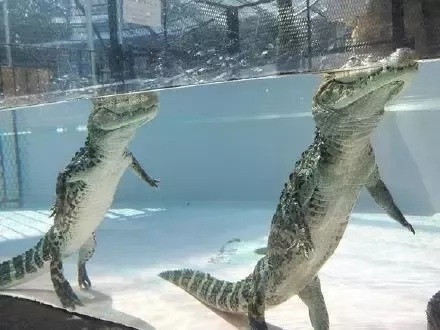
The crocodile swims by using its tail to maintain position in flowing water and to propel itself through the water with strong thrusts. The flattened tail provides a large area for the crocodile to push against the force as it moves, while webbing between the back and front feet toes provides surface area and support.
Despite its size, the crocodile can swim at sluggish speeds using only its tail, and it can quickly increase its speed by using its tail when necessary. Crocodiles are powerful swimmers, thanks to their muscular tails and webbed feet. They use their tail to navigate through the water, providing both stability and propulsion.
The flattened shape of the tail allows for a larger surface area to push against the water, enabling the crocodile to move efficiently. The webbing between their toes also aids in swimming by providing additional surface area and support. In addition to their tail, crocodiles also use their powerful jaws and strong legs to maneuver in the water. Their muscular bodies and streamlined shape contribute to their swimming abilities, allowing them to move quickly and gracefully through the water. Whether swimming in rivers, lakes, or even the ocean, crocodiles are well adapted for a life in the water.

Credit: swampfeverairboatadventures.com
How Does Crocodile Swim
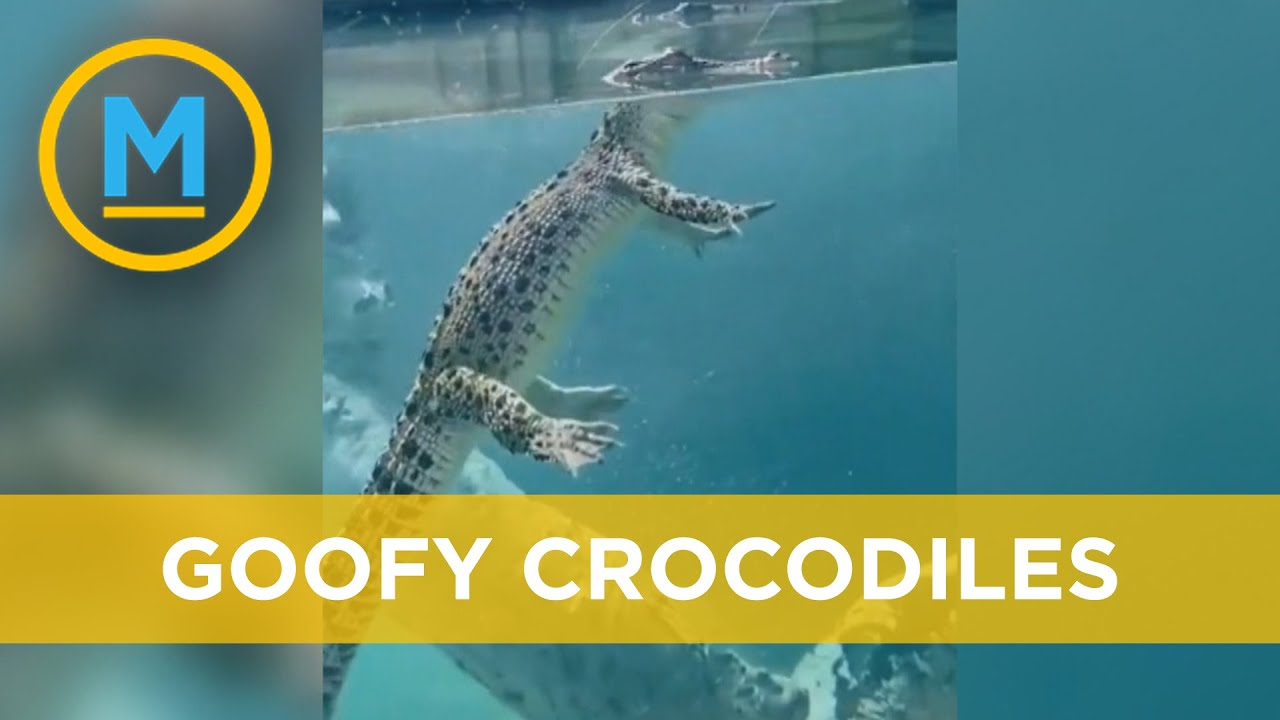
When a crocodile swims, it uses its tail to maintain position in the water. The tail, with its laterally flattened shape, provides all the thrust needed. It has a relatively large area to push against the force as it moves. Additionally, the webbing between the back and front feet toes provides surface area and support by pushing against the water, enabling the crocodile to move slowly. At sluggish speeds, the tail propels the crocodile, while the trunk hardly moves. When necessary, the crocodile quickens its swimming by using its powerful tail. Crocodiles move through the water with their powerful tails, which have big muscles attached to their hips and back legs allowing them to move side to side with strong thrusts. Their tails are flattened on the sides and have scales that stick up, making them excellent propellers. They also have a single lung that occupies most of the space in their body cavity, with the exception of the abdominal cavity, allowing them to float on the water’s surface.
Credit: www.youtube.com

Credit: m.youtube.com
Frequently Asked Questions Of How Does Crocodile Swim
How Does A Crocodile Move?
Crocodiles move in water by using their powerful tails, which provide thrust and propulsion. Their tails are flattened on the sides and have scales that act as propellers. They also have webbing between their toes, which helps them navigate through water.
Do Crocodiles Crawl Or Swim?
Crocodiles swim using their powerful tails, which provide thrust in the water. They have webbing between their toes, which helps them move and support themselves. When needed, crocodiles can speed up their swimming by using their tails. They can also crawl on land using a “high walk” or a “low walk.
” Crocodiles have thick skin covered in non-overlapping scales and powerful jaws.
How Does A Crocodile Float?
Crocodiles float using their tail to stay on the water’s surface and swim with powerful thrusts. Their flattened tail propels against the water, while webbed feet provide support. Crocodiles also have a buoyant lung filled with air, allowing them to float effortlessly.
How Does An Alligator Swim?
An alligator swims by using its long, powerful tail, sweeping it back and forth while tucking its legs against the body. It can swim faster than a person paddling a canoe and can also move quickly on land for short distances.
Alligator mating occurs in the spring.
Conclusion
The crocodile’s swimming ability is a result of its powerful tail, allowing the reptile to propel itself with remarkable efficiency. The flattened tail provides thrust, while the webbed feet and massive muscles make it a formidable swimmer. Whether in water or on land, the crocodile’s unique adaptations enable it to navigate various environments with ease.