Are Elephants Omnivores
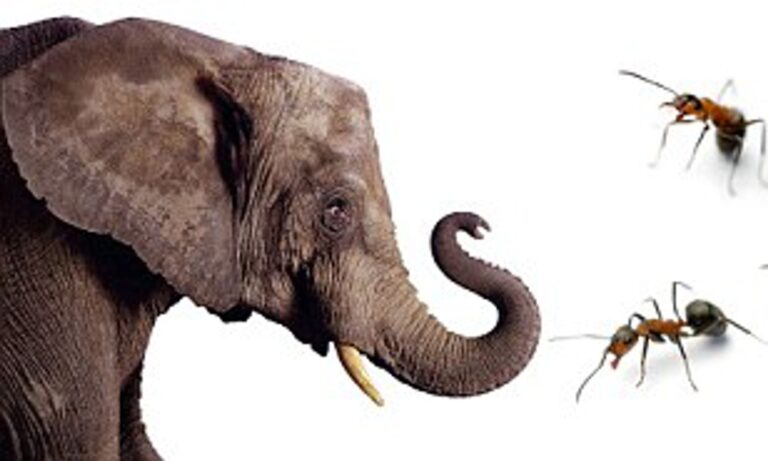
Elephants are herbivores and do not eat meat or any other animals. They primarily consume plants and plant material.
Credit: www.quora.com
Understanding Elephant Diet
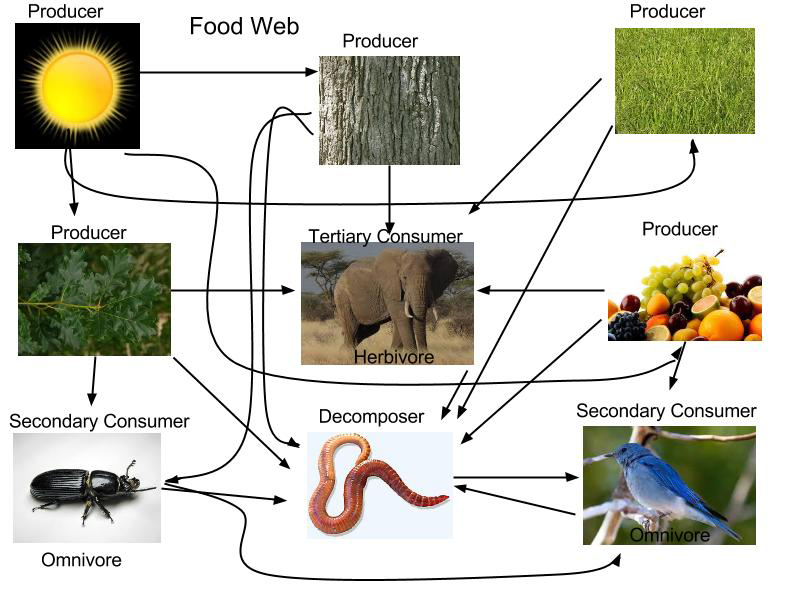
Elephants are herbivores, which means they only eat plant material. They consume a variety of foods including grasses, bark, twigs, roots, leaves, fruits, and vegetables. The plentiful plant sources in their habitat provide adequate nutrition for their well-being. Unlike carnivores, elephants lack the capability to catch prey, and if they were omnivores, they would face challenges in obtaining a balanced diet. Being herbivores contributes to their survival and sustenance in their natural environment.
Credit: ecologyofelephants.weebly.com
Why Are Elephants Herbivores?
Elephants are herbivores, meaning they primarily eat plants. They have a herbivorous diet consisting of grasses, bark, twigs, roots, leaves, fruits, and vegetables. Evolutionary factors have shaped elephants to be herbivores rather than omnivores or carnivores. If elephants were carnivorous, they would face challenges in catching prey and would become malnourished. Being herbivores allows them to consume the abundant vegetation in their habitats. While elephants are not omnivores, other animals like giraffes can be classified as omnivores due to their ability to consume both plants and small animals. The size of elephants does not necessarily correlate with their diet, as it is their evolutionary adaptation that determines their herbivorous nature. Elephants have evolved to be efficient herbivores, utilizing their large size and specialized digestive systems to extract nutrients from plant material. This adaptation has allowed them to thrive in their ecosystem.
Misconceptions About Elephants’ Diet
Elephants are herbivores, meaning they only eat plants and do not consume any other animals. They have a diet consisting of grasses, bark, twigs, roots, leaves, fruits, and vegetables. Despite their enormous size, elephants have evolved to thrive on a plant-based diet.
There are misconceptions about elephants being omnivores or carnivores, but this is not the case. If elephants were to eat meat, they would not benefit from it. In fact, a carnivorous diet would lead to malnourishment and ultimately starvation for these majestic creatures. Elephants have adapted to their environment and rely on the plentiful vegetation available to them.
The idea of omnivorous elephants is purely hypothetical and not a realistic scenario. Elephants are perfectly suited to their herbivorous lifestyle, and there is no need for them to evolve into omnivores. They have thrived as herbivores for millions of years and will continue to do so.
Credit: www.quora.com
Comparisons With Other Herbivorous Animals
Are Elephants Omnivores When it comes to an animal as enormous as an elephant, you might be surprised to find out that elephants are actually herbivores – meaning they don’t eat any other animals. Instead, they focus on eating plants. Unable to catch prey, a meat-eating elephant would become bony and malnourished and then starve to death. Eventually, a carnivorous elephant species would go extinct. Luckily for elephants, they’re herbivorous, which means they only eat plant material, such as grasses, bark, twigs, roots, leaves, fruits, and vegetables.
Comparisons with Other Herbivorous Animals: Are Giraffes Omnivorous? Similar to elephants, giraffes are also herbivores, consuming only plant material. In contrast to omnivores, herbivores’ diet consists mainly of grasses, leaves, fruits, and vegetables. Furthermore, unlike omnivores, herbivores do not consume meat or animal products.
Characteristics of Herbivores Herbivores have a digestive system adapted to break down plant cellulose and extract nutrients from plant material. They require a high-fiber and low-protein diet and often have specialized teeth for grinding and processing plant matter. Additionally, herbivores play an essential role in ecosystems by controlling plant populations and supporting the food chain.
Implications Of Elephant Diet
When it comes to discussing the diet of elephants, it is important to note that they are herbivores. Elephants primarily consume plants, focusing on eating grasses, bark, twigs, roots, leaves, fruits, and vegetables. Being herbivores, elephants are not omnivores or carnivores, as they do not consume any other animals. The implications of this diet can be seen in the size of elephants. Their herbivorous diet provides them with the necessary nutrients to grow and maintain their large size. However, it is essential to consider conservation considerations when it comes to elephant diet. Ensuring the availability of diverse plant materials is crucial for the survival and well-being of elephants in their natural habitat.
Frequently Asked Questions For Are Elephants Omnivores
Can An Elephant Eat Meat?
Elephants are herbivores, meaning they only eat plants and do not consume meat. Their diet consists of grasses, bark, twigs, roots, leaves, fruits, and vegetables. Elephants cannot survive on a carnivorous diet as they are not equipped to catch or digest meat.
Are Elephants Herbivores Or Omnivores?
Yes, elephants are herbivores, meaning they only eat plants and do not consume meat.
What If Elephants Were Carnivorous?
If elephants were carnivorous, they would struggle to catch prey and suffer from malnourishment, eventually leading to extinction. Fortunately, elephants are herbivores and thrive on a diet of grasses, herbs, and fruits that are abundant in their habitat.
Are Giraffes Omnivorous?
No, giraffes are not omnivorous. They are herbivores and eat primarily plants.
Conclusion
Elephants are herbivores, feeding mainly on plant material such as grasses, bark, twigs, roots, leaves, fruits, and vegetables. Their strict herbivorous diet distinguishes them from omnivores and carnivores, as they do not consume any animal products. Understanding an elephant’s diet is crucial for conservation and management efforts.