Does Elephant Breastfeed
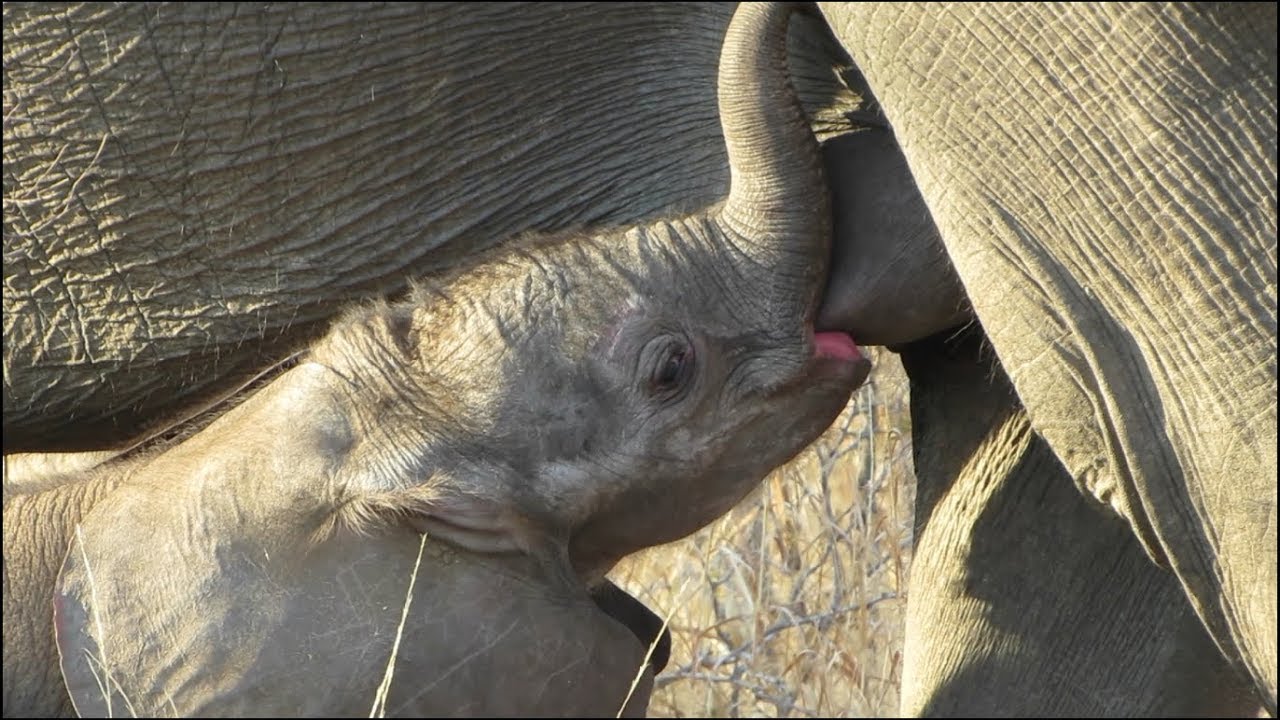
Yes, elephants do breastfeed their young. Baby elephants nurse for up to two years, regularly drinking their mother’s milk for the first several months of their life.
It is an essential source of nutrition for their growth and development. In addition to milk, the calf also receives colostrum, a special ingredient produced in the breast fluid of the mother elephant before she releases regular breast milk. Elephants have mammary glands and teats between their front legs, unlike other animals.
This process helps strengthen the bond between mother and calf and ensures the calf receives proper nourishment. The nursing period is crucial for the survival and well-being of baby elephants in the wild.

Credit: www.shutterstock.com
Elephants And Breastfeeding
Elephants breastfeed for up to two years in the wild, sometimes longer. They nurse regularly, but the duration and frequency vary. Elephants are born with a strong sucking reflex and they usually figure out the trunk-drinking method by the time they’re one year old. Baby elephants primarily drink their mother’s milk for the first several months of their life. The milk composition of Asian elephants in a natural environment is rich in nutrients to support the calf’s growth and development. The mother elephant will do everything she can to help her calf suckle, ensuring it has easy access to her teat. Overall, elephant breastfeeding in the wild is a natural and crucial element of their development.

Credit: www.shutterstock.com

Credit: www.facebook.com
Frequently Asked Questions For Does Elephant Breastfeed
Do Elephants Have Breast Milk?
Yes, elephants have breast milk. Baby elephants drink their mother’s milk regularly for up to two years, sometimes longer. In addition to breast milk, the calf also receives colostrum, a special ingredient produced in an elephant mother’s breast fluid before releasing breast milk.
Does Elephant Feed Milk?
Yes, elephants do feed milk. Baby elephants drink their mother’s milk regularly for up to two years.
Do Baby Elephants Nurse With Their Trunks?
Yes, baby elephants nurse using their mouths, not trunks. They suckle milk directly from their mother’s teats.
Do Elephants Lactate?
Yes, elephants lactate and produce milk for their babies for up to two years or longer. Baby elephants drink their mother’s milk regularly during this time.
Conclusion
The fascinating world of elephant breastfeeding shows how essential maternal care is in the animal kingdom. The unique bond between a mother elephant and her calf is evident in the nourishment provided through nursing. The feeding behaviors and duration of this process shed light on the nurturing instincts and development of these incredible creatures.