Why Do Elephants Need Salt
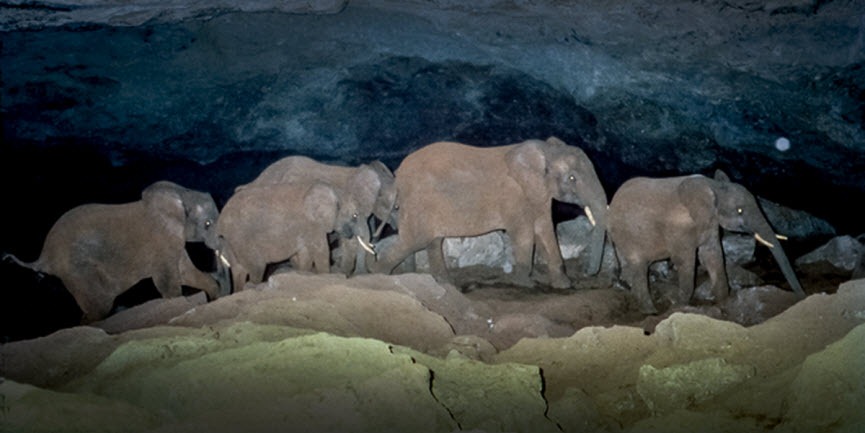
Elephants need salt because it helps them stay hydrated. They have a natural inclination to ingest salt as it provides essential minerals such as sodium, chloride, calcium, magnesium, selenium, and phosphorus that are necessary for their healthy development.
Elephants use their intelligence and problem-solving abilities to mine for salt, often venturing into large caves in complete darkness to access salt deposits. This behavior is instinctive and has been developed over thousands of years. By consuming salt, elephants are able to maintain their hydration levels and ensure their overall well-being.

Credit: news.mongabay.com
The Importance Of Salt For Elephants
Do elephants need salt? Yes, elephants do require sodium for their diet, along with other essential trace minerals like calcium, magnesium, and phosphorus. These minerals are vital for the healthy development and hydration of the animals. Elephants even use their massive brain power to figure out how to acquire their nutritional needs, such as mining for salt in caves. Additionally, ingesting salt helps them to stay hydrated, supporting their well-being and survival.

Credit: www.amusingplanet.com
Elephants’ Instinctive Behavior
Elephants have an instinctual need for salt due to their evolutionary development. This behavior is mostly instinctive and has been developed over thousands of years. Elephants need to ingest salt to help them stay hydrated. Salt primarily consists of sodium and chloride, but it also contains other essential trace minerals such as calcium, magnesium, selenium, and phosphorus, which are important for the healthy development of animals. Elephants use their massive brain power to figure out how to best achieve their nutritional requirements, even discovering how to mine for salt. The appetite for salt and the mind’s intention in salt mining is a fascinating aspect of elephants’ behavior.
Elephants are known to trek long distances to reach large caves in complete darkness to mine and eat salt. This behavior showcases their intelligence and demonstrates their ability to navigate challenging environments. Through this instinctual behavior, elephants are able to meet their dietary needs and maintain their overall health and well-being.
Elephants’ Methods Of Obtaining Salt
Elephants, with their massive brain power, have discovered the importance of salt in their diet. They trek long distances to large caves and mine for salt to help them stay hydrated and maintain their nutritional balance. This behavior is instinctive and has developed over thousands of years.
According to research, elephants need salt in order to stay hydrated. Salt consumption helps them retain water and prevent dehydration, especially in arid environments. Elephants have developed unique methods to obtain salt, such as visiting salt licks and even mining salt in caves. Visiting salt licks allows elephants to access natural salt deposits in the soil or rock formations. On the other hand, mining salt in caves involves elephants venturing into large caves in complete darkness to mine and consume salt. This behavior is believed to be instinctive and has been developed over thousands of years. Elephants have a strong appetite for salt as it contains essential trace minerals, including sodium, chloride, calcium, magnesium, selenium, and phosphorus, which are all crucial for their healthy development. Overall, elephants’ methods of obtaining salt highlight their intelligence and adaptability in fulfilling their nutritional requirements.Implications For Wildlife Conservation
Elephants need access to natural salt sources in their habitat. Without adequate salt intake, elephants may suffer from health issues related to mineral deficiencies. As a result, it is crucial for wildlife conservation efforts to ensure that elephants have the opportunity to obtain the necessary salt intake. By preserving natural salt sources and providing controlled access to salt licks, conservationists can help maintain the overall well-being of elephant populations. This proactive approach can contribute to the long-term sustainability of elephant habitats and support the conservation of these magnificent creatures.

Credit: www.elephantnaturepark.org
Frequently Asked Questions Of Why Do Elephants Need Salt
Do Elephants Mine For Salt?
Elephants mine for salt in large caves in complete darkness, trekking long distances to reach their goal. They do this to fulfill their appetite for salt and to meet their nutritional requirements.
Why Do Animals Need Salt?
Animals need salt because it contains essential minerals like sodium, chloride, calcium, magnesium, selenium, and phosphorus, crucial for their healthy development.
Do Elephants Require Sodium In Their Diet?
Elephants require sodium in their diet because it helps them stay hydrated and supports their healthy development. Sodium is essential for maintaining the proper functioning of their bodies and allows them to gain resistance to diseases. Elephants mine for salt in large caves to fulfill their need for this important mineral.
Do Elephants Like Salt Water?
Elephants do not like salt water because it stings their eyes and dries their skin. They prefer fresh water for drinking and bathing.
Conclusion
It’s clear that elephants’ need for salt is vital for their overall health and well-being. The behavior of trekking long distances and navigating through dark caves to mine and consume salt demonstrates their instinctive understanding of its importance. By ingesting salt, elephants ensure they receive essential trace minerals necessary for their healthy development.
This behavior highlights their impressive ability to fulfill their nutritional requirements and maintain hydration, showcasing their remarkable adaptability in the wild.