Do Elephants Sweat
Elephants do not sweat because they do not have sweat glands. Instead, they cool themselves down by making their entire skin permeable, allowing for faster evaporation and loss of moisture.
This unique adaptation helps them regulate their body temperature in hot weather. Elephants, those majestic creatures of immense size and intelligence, have long fascinated humans with their incredible adaptability and survival strategies. One question that often arises is whether elephants sweat like other mammals.
The answer, quite simply, is no. Elephants do not possess sweat glands like we do. Instead, they have developed a fascinating mechanism to keep themselves cool in hot weather. By making their skin permeable, elephants lose moisture through evaporation, allowing for faster cooling. This unique adaptation is just one example of the remarkable ways in which elephants have evolved to thrive in their natural habitats. We will delve deeper into the topic of elephant sweat and explore how they manage to stay cool without traditional sweat glands.

Credit: thinkelephants.blogspot.com
Why Elephants Don’t Sweat
Do Elephants Sweat is a fascinating topic with several interesting subtopics to explore. The Lack of Sweat Glands in elephants is one of the key reasons they do not sweat like humans. Instead, elephants have Permeable Skin that allows for moisture evaporation, which facilitates their cooling process. Additionally, elephants utilize Alternative Cooling Methods, such as flooding their ears with blood and fanning them to increase airflow over their skin. These unique adaptations set elephants apart from other mammals and contribute to their incredible ability to regulate body temperature.
How Elephants Keep Cool
Elephants have a unique way of keeping cool in hot weather. Instead of sweating like most mammals, elephants have very few sweat glands, located near their toes. To cool themselves down, elephants make their skin permeable, allowing for more evaporation and faster cooling. When elephants get too hot, they have a remarkable method of dissipating body heat. They can flood their ears with blood, which helps to reduce their body temperature. Additionally, elephants have large ears that they can flap to create airflow over their skin, further aiding in heat loss. They can also use their ears as fans, creating a slight breeze that cools down the rest of their body. Another way elephants cool themselves is by spraying water, dust, or mud on their bodies. This helps in cooling the blood in their capillaries, which then flows back to their body, effectively reducing their overall temperature.
Comparing Sweat Mechanisms
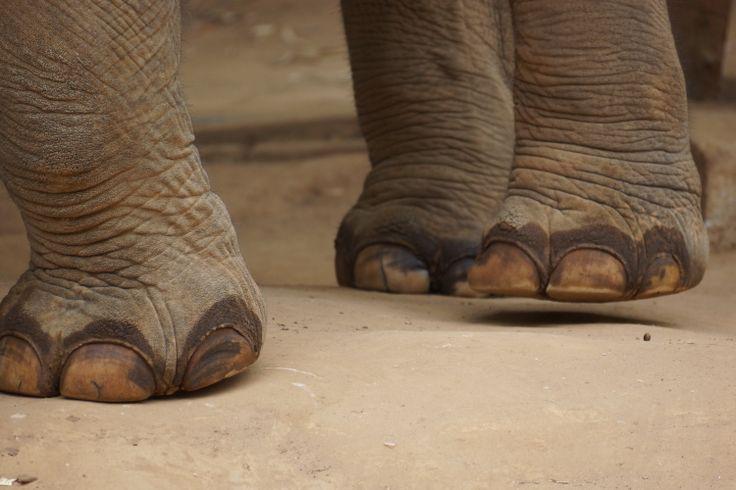
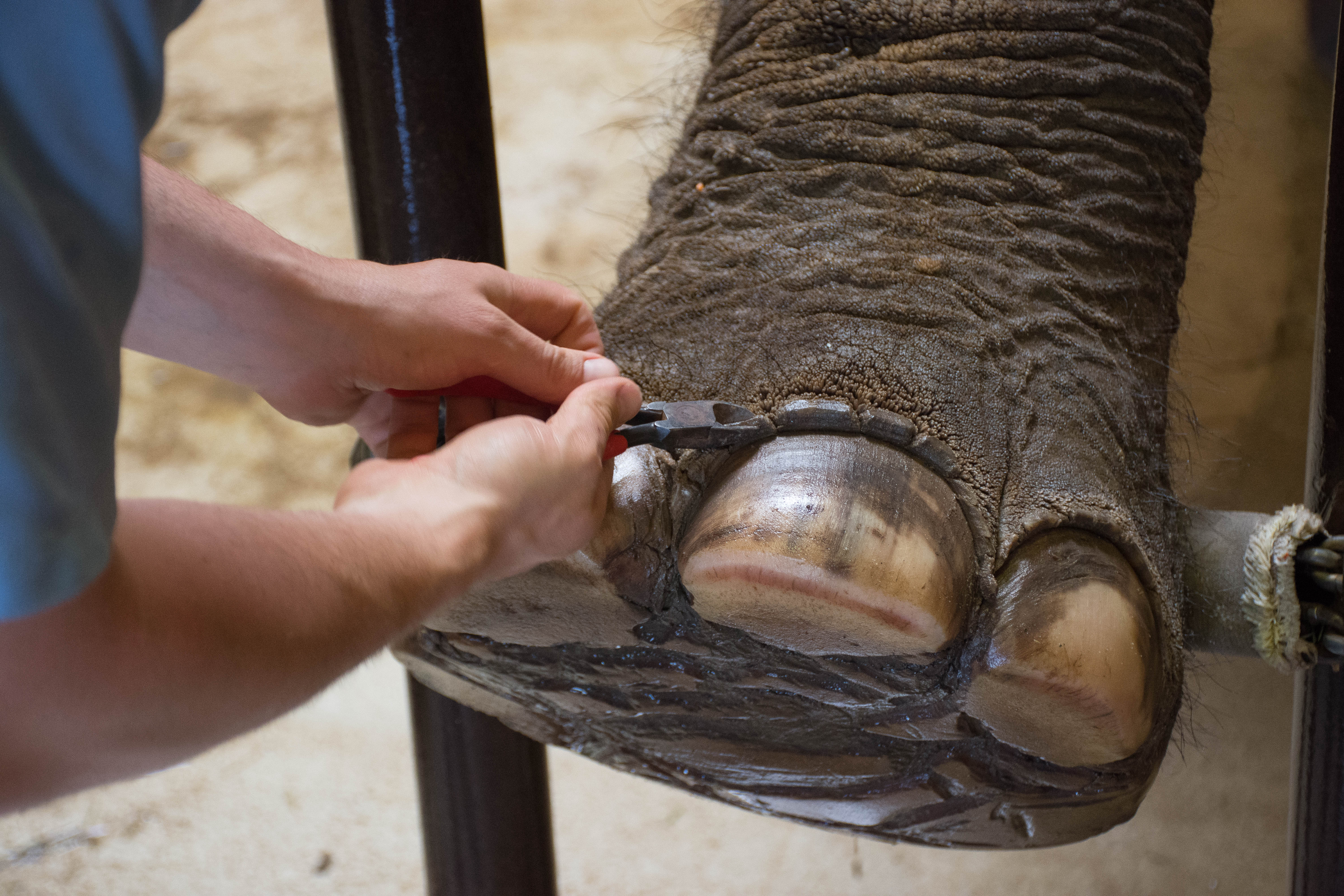
Elephants have a unique sweat mechanism compared to other mammals. While most mammals sweat through glands connected to pores, elephants have pores only between their toes. This means that they do not have sweat glands like humans do. Instead, elephants make all of their skin permeable, allowing for faster evaporation and cooling. When elephants get too hot, they increase blood flow to their ears and fan them to increase airflow over their skin, helping to dissipate body heat. They also have the ability to flap their big ears or spray water, dust, or mud behind them to further cool down. This biological strategy allows elephants to regulate their body temperature in hot weather without relying on traditional sweating mechanisms.
Credit: buffalozoo.org
Evolutionary Adaptations
Elephants do not have sweat glands like most mammals, but they have pores only between their toes. This unique adaptation allows them to lose moisture through evaporation, which helps them cool down faster in hot weather. Additionally, elephants can regulate their body temperature by flooding their ears with blood and fanning them to increase airflow, as well as using various cooling methods such as flapping their ears or spraying water, dust, or mud. The absence of sweat glands does not hinder their ability to stay cool, as their evolutionary adaptations have equipped them with efficient mechanisms for heat regulation.
Curiosities About Elephant Physiology
Do elephants sweat? This is a common question among nature enthusiasts. Elephants have a unique way of regulating their body temperature without the use of traditional sweat glands. Unlike most mammals, elephants do not have sweat glands connected to pores. Instead, they have only a few sweat glands located near their toes. Interestingly, elephants make all of their skin permeable, allowing for increased evaporation and thus faster cooling. When elephants get too hot, they have the ability to flood their ears with blood, dissipating body heat. Additionally, they can fan their ears to increase airflow over their skin, facilitating heat loss. Flapping their large ears and spraying water or mud on themselves also helps elephants stay cool in hot weather. These exceptional adaptations make elephants one of the most fascinating creatures in the animal kingdom.
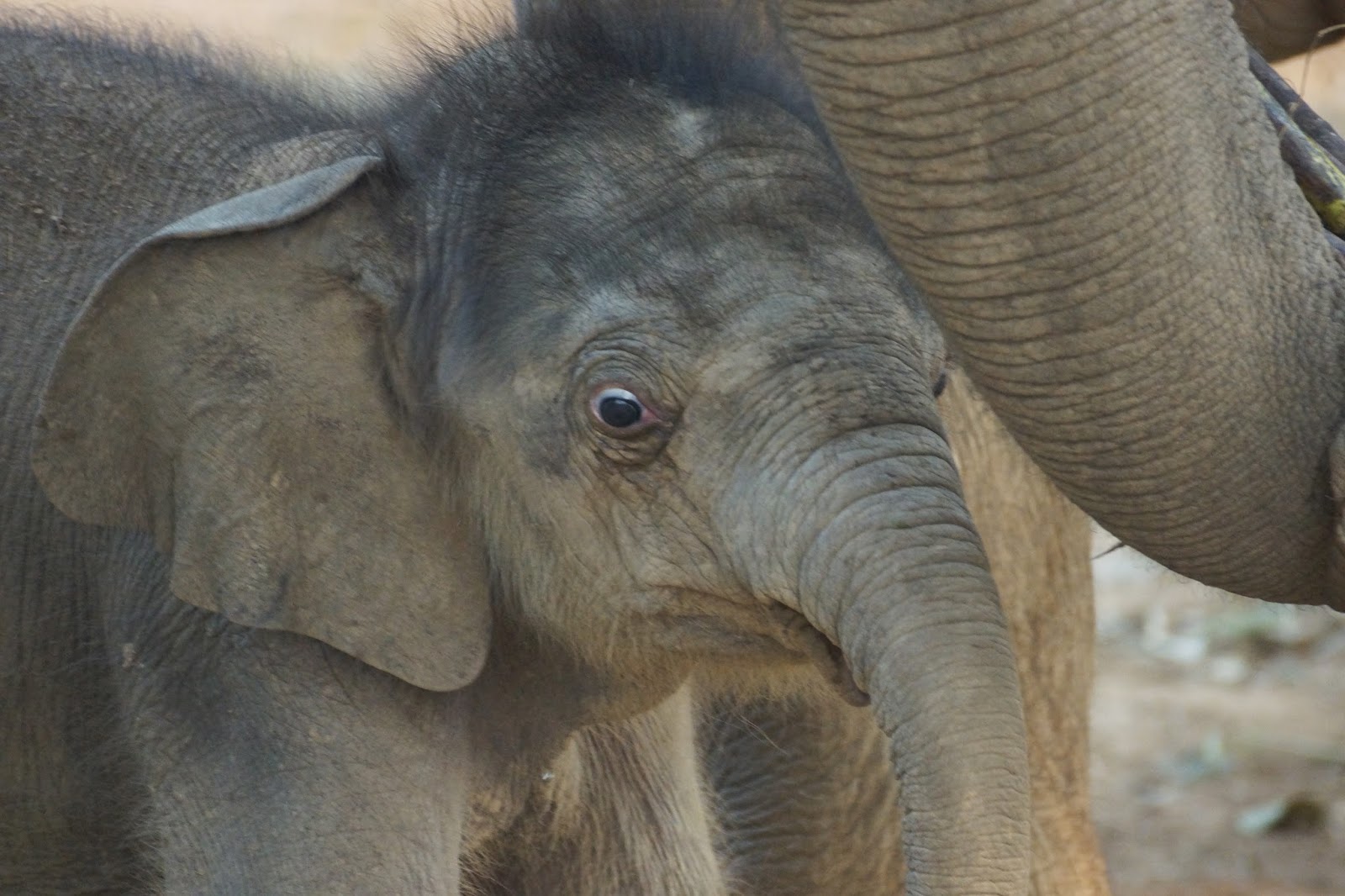
Credit: thinkelephants.blogspot.com
Frequently Asked Questions On Do Elephants Sweat
What Do Elephants Do Instead Of Sweating?
Elephants don’t sweat like most mammals. They have pores only between their toes to release moisture, and they make their skin permeable to cool down faster. Instead of sweating, elephants cool themselves by flooding their ears with blood and by flapping their big ears to increase air flow over their skin.
How Much Do Elephants Sweat?
Elephants have few sweat glands located near their toenails and only sweat from their toes. Instead of sweating, elephants cool down by making their skin permeable, allowing for evaporation to release moisture and dissipate body heat. They also flood their ears with blood and fan them to maintain coolness.
How Do Elephants Cool Their Bodies?
Elephants don’t sweat like most mammals. Instead, they cool their bodies by flooding their ears with blood and fanning their ears to increase airflow over their skin. They also use other methods like flapping their big ears and spraying water, dust, or mud to cool down.
How Do Elephants Keep Cool In The Summer?
Elephants don’t have sweat glands like humans do. Instead, they keep cool in the summer by flapping their big ears and spraying water, dust, or mud behind them. This helps cool down their capillaries, and the cooled blood then circulates back to their body, keeping them cool.
Conclusion
Elephants have evolved unique cooling mechanisms to cope with hot weather. Unlike humans, elephants don’t sweat through glands but instead cool down by making their skin permeable and flooding their ears with blood. This allows them to release excess heat efficiently, keeping them comfortable in their natural habitat.