How Sharp is a Lions Tongue
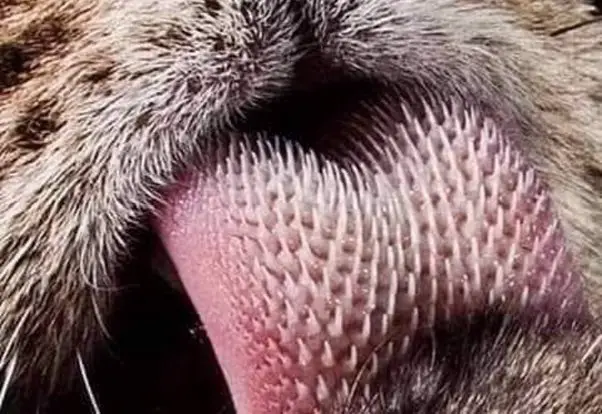
A lion’s tongue is as rough as sandpaper due to the presence of tiny spines called papillae that face backwards and are used to scrape meat from bones and dirt from fur. These spines make the tongue extremely sharp and abrasive, capable of stripping skin in just a few licks.
The Anatomy Of A Lion’s Tongue
The anatomy of a lion’s tongue is fascinating. It is covered in sharp spines called papillae, which give it a rough texture and enable it to strip feathers, fur, and meat from prey.
| The Anatomy of a Lion’s Tongue |
| Spines called papillae |
| A lion’s tongue is covered in tiny spines called papillae, which face backwards and are used to scrape meat from bones and dirt from fur. These spines make the tongue rough like sandpaper. If a lion were to lick the back of your hand only a few times, it would leave your skin without any damage. These papillae also serve as a grooming tool for lions, allowing them to clean their fur and remove parasites. The rough texture of the lion’s tongue is essential for its hunting and feeding abilities, as it helps strip feathers, fur, and meat from prey. So, next time you come face to face with a lion, be aware of its rough and sharp tongue! |
Credit: www.reddit.com
How Sharp Is A Lion’s Tongue?
How sharp is a lion’s tongue? When it comes to comparing it to sandpaper, a lion’s tongue is as rough as sandpaper itself. It is covered in tiny spines called papillae, which face backwards and are used to scrape meat from bones and dirt from fur. These spines make the tongue so rough that if a lion were to lick the back of your hand, it could easily strip away the skin. The risks of being licked by a lion are significant, as the sharp papillae can easily rasp the skin after a few good licks. The effects on human skin can be severe, causing abrasions and potential wounds. It’s important to avoid being licked by a lion to prevent any harm.
Incredible Adaptations Of Lion’s Tongue
Facilitating grooming: A lion’s tongue is covered in tiny spines called papillae, which face backward. This rough texture helps lions groom themselves by removing dirt, parasites, and loose hair from their fur. The backward-facing papillae also assist in licking wounds to clean them and promote healing.
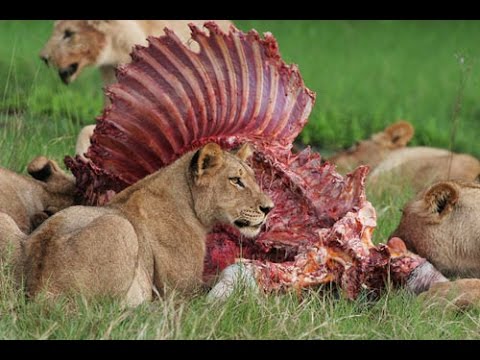
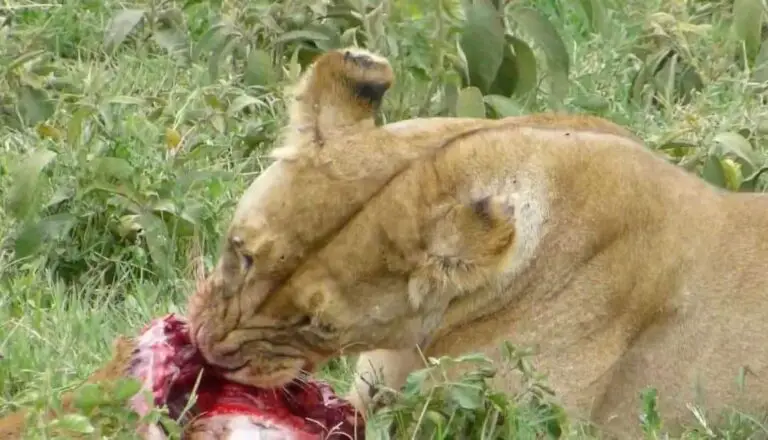
Assisting in eating: The rough texture of a lion’s tongue is ideal for stripping meat off bones. The papillae act like natural bristles, helping the lion scrape every last bit of flesh from its prey.
Removing unwanted debris: Lions often get debris stuck in their fur, such as thorns or twigs. Their rough tongues can easily remove these unwanted items by licking them away.

Credit: www.reddit.com
Similarities And Differences Between Lion’s And Tiger’s Tongues
Similarities and Differences between Lion’s and Tiger’s Tongues:
- Presence of papillae: Both lion and tiger tongues have numerous small, sharp, rear-facing projections called papillae.
- Degree of sharpness: The papillae on the tongues of both lions and tigers give them a rough, rasping texture, which helps them strip feathers, fur, and meat from their prey.
- Functional variations: Lions use their rough tongues to scrape meat from bones and remove dirt from fur, while tigers also utilize their tongues for grooming purposes.
Overall, the tongues of lions and tigers are very similar in terms of the presence and functionality of papillae, but they may have slight differences in the way they use their tongues for specific tasks.
Misconceptions And Interesting Facts About Lion’s Tongue
There is a common belief that a lion’s tongue is so rough that it can lick the skin right off. However, this is not entirely true. While a lion’s tongue is indeed rough, it is not capable of causing serious harm to human skin.
One interesting role of a lion’s tongue is in tenderizing meat. The rough texture of the tongue, with its small spines called papillae, helps to strip feathers, fur, and meat from prey. This assists the lion in consuming its food more easily.
The lion’s tongue also plays a significant role in communication. Lions use their tongues to groom each other, reinforcing social bonds within the pride. The tongue’s rough texture helps to remove dirt, parasites, and loose hair from the fur.
Credit: www.reddit.com
Frequently Asked Questions Of How Sharp Is A Lions Tongue
How Sharp Is A Tigers Tongue?
A tiger’s tongue is covered in small, sharp projections called papillae. These papillae give the tongue a rough texture and help the tiger strip feathers, fur, and meat from its prey. The tongue is as sharp as sandpaper and is designed for grooming and eating.
How Abrasive Is A Lions Tongue?
A lion’s tongue is rough, like sandpaper, due to tiny spines called papillae that face backwards and scrape.
What If A Lion Licks You?
A lion’s tongue is rough, like sandpaper, with tiny spines called papillae. If a lion licks you, the papillae can easily scrape your skin and cause damage. It’s best to avoid getting licked by a lion.
What Grit Is A Lion’s Tongue?
A lion’s tongue is as rough as sandpaper, with tiny spines called papillae that face backwards and are used to scrape.
Conclusion
A lion’s tongue is a fascinating and unique adaptation that allows it to perform various tasks. Covered in tiny spines called papillae, the lion’s tongue is as rough as sandpaper. These papillae face backwards and help scrape meat from bones and dirt from fur.
They are so rough that a few licks from a lion can strip the skin off your hand! This incredible feature enables the lion to maintain its grooming habits and feed efficiently in the wild. Understanding the sharpness and function of a lion’s tongue gives us a deeper appreciation for the intricate adaptations of these majestic creatures.